How long should we fight for our right to have in our neighborhoods these precious trees?


Full information can be found at: https://londonnewsonline.co.uk/dame-judy-dench-backs-battersea-tree-protestors/
How long should we fight for our right to have in our neighborhoods these precious trees?
Full information can be found at: https://londonnewsonline.co.uk/dame-judy-dench-backs-battersea-tree-protestors/
#ourtreesproject #winterdays #sunnydays #savetheenvironment
During these times of lockdowns, everyone has been taking advantages of the open spaces and walked and run in nature much more than we were used to doing the previous years.


We have started to appreciate what surrounds us until we find this disgraceful dum that deface our beautiful landscapes.

The shame of the human race!
Outrageous and disgusting!
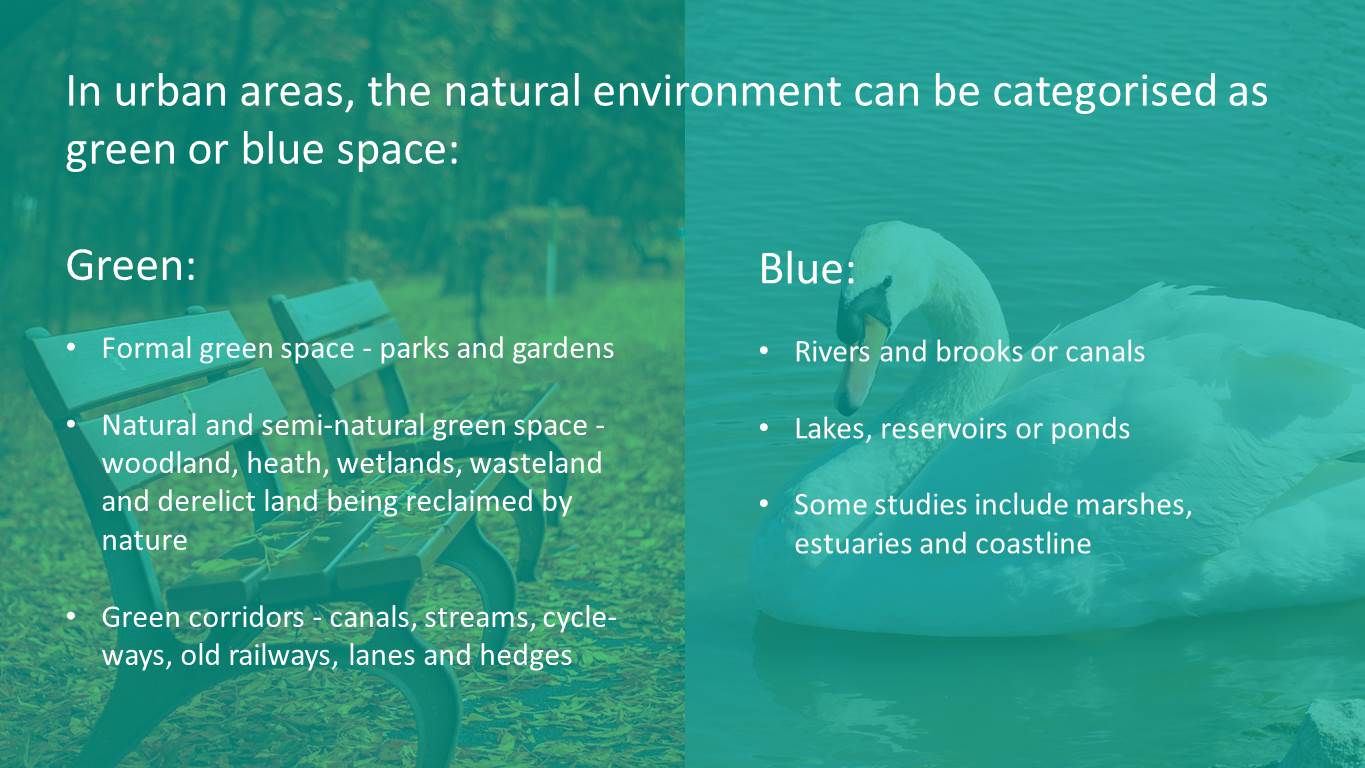 "We’ve known for some time that good quality natural landscape in urban areas can affect how people feel. It reduces stress and sadness, lifts the mood and makes us feel better. The benefits of these green and blues space, and the mechanisms by which they work, are varied. are the physical benefits from green infrastructure, for example improved air quality, less noise pollution and reduced risks from flooding or heat-waves. There are also benefits to active users of these spaces, whether that’s physical recreation or through children interacting with nature. The impacts on mental wellbeing, social networks and sustainable communities probably work through a variety of mechanisms and it’s in these areas that the strongest evidence is emerging that urban green space can improve the public’s health. We know people who live in the areas within our cities and towns that have more green or blue space have better mental health. This has been summarised in the recent evidence submitted by Public health England to the Inquiry into Public Parks being undertaken by the Select Committee on Communities and Local Government. The Landscape Institute have also published a position statement on ‘Public Health and Landscape; creating healthy places’. This states that “healthy places make people feel comfortable and at ease, increasing social interaction and reducing antisocial behaviour, isolation and stress”. It also says “healthy places are restorative, uplifting, and healing for both physical and mental health conditions”. The Landscape Institute offers many examples of the important role that the natural environment can play in supporting principles of good design including examples of community gardens, landscape design reconnecting communities with green spaces, and the use of green space to treat mental illness and break drug dependency. More recently, we have seen renewed interest in how the natural environment can be used effectively to treat some mental health problems and assist the care and management of dementia. A forthcoming conference on mental health and dementia, supported by Natural England and PHE, will look at this evidence and examples of innovative practice in using the natural environment as a component of therapeutic interventions. Examples include group activities outdoors, structured walks, horticulture and green gyms. This potential therapeutic benefit for mental illness and dementia should not come as a surprise as there is also evidence that acute hospital patients feel better and are discharged sooner when they are able to see greenery outside their window or enjoy a hospital garden. And the added bonus for public health is that retaining and developing the natural environment in our urban areas also helps us to combat climate change. This is partly because trees and shrubs help to capture CO2 and other pollutants such as particulates. It’s also because urban green and blue space can reduce the ‘Heat Island Effect’ of construction materials (especially concrete and asphalt). And green and blue spaces help absorb water and capture run off from heavy storms both through the water absorbent effects of roots and soil and because sustainable urban drainage schemes act as natural retaining ponds. So there is a wealth of evidence of how the public’s health can be improved by increasing access to green and blue space and improving the quality of our natural environment. However it’s also an area where we have much to learn and we look forward to working with partners to take this agenda forward. This blog is one of a series being produced in the run up to the conference; Transforming Mental Health and Dementia Provision with the Natural Environment."
Do you like this picture?
Image represent how tree-pruning was made in the late 1800s.
Lots have changed in the last century!


recently I came across this project which I've found super-interesting and I want to share it with you.
It is called Recycling Business Models and it links together Sweden, South Africa and Spain and its main focus is sustainability through the implementation of 7 steps. They have developed the a Circular Economy concept and the aim is "to keep products, components, and materials at their highest utility and value, at all times."
Here below the “7 R’s” of circular economy:
"Rethink: Re-thinking business models and solutions at every level to be mindful of resource use and waste production. The sharing economy is proof that ownership of material is dropping, making for fewer materials used. Businesses like IKEA are already looking into renting business models.
Reduce: Reduce consumption of energy and materials by applying lean design principles and producing products that are made to last.
Re-use: Reuse products by transferring them to another user. The marketplaces like eBay have already taken hold on consumers’ markets and it’s starting to be used in industries as well.
Repair: Repair components and parts so that products can be used longer by the user. With the slow-down of throw-away consumption, consumers will be thinking about purchasing products that last and the “repair” business will get a boost.
Refurbish: To achieve circular economy, businesses can look into recovering and refurbishing old products to be sold again or transformed in new products.
Recover: Recover embedded energy from non-recyclable waste material where feasible. Nonrecyclable waste may at least be converted into energy through waste-to-energy processes such as combustion and gasification.
Recycle: Recycle materials or resources by disassembling components and separating parts."
I love this idea and I wish more and more businesses will consider these steps when they need to implements new rules and regulations in their businesses.
Let me know your thoughts!!
Further information can be found at:
https://www.pta.es/wp-content/uploads/2020/09/RBM_good_practices.pdf
A couple of years ago Ghana's startup came up with an amazing idea that can solve two problems with one action.... they recycle plastics and build roads!!

If you have a couple of minutes to spare, watch this short Youtube video, it is inspiring to see how in Ghana they have been able to come up with this brilliant idea and reuse the plastic to pave their roads.
https://www.youtube.com/watch?v=xhwhs5s7sYg
I believe this is an example that could be copied in so many countries and solve two problems at once: plastic dumping and the unpaved, dusty roads.
Let me know what you think about this idea.
